


It had been a long day at work for Sumana, but she still decided to visit her booth-level officer’s home in a South Kolkata neighbourhood that December evening. The officer had not been answering her phone calls, making the 45-year-old restless.
She was worried because the Election Commission had categorised her daughter, 19, as an “unmapped voter” in the ongoing special intensive revision of West Bengal’s voter lists. This means her daughter was unable to show that either she or her close relatives were voters back in 2002.
Neither Sumana nor her late husband were registered to vote at that time so she could not provide their information in her daughter’s enumeration form. There are close to 32 lakh so-called unmapped voters across the state.
Starting from the last week of December, the commission has held hearings to examine their documents and determine their eligibility to vote in the future. Bengali war veterans, international cricketers and even former ministers have been summoned so far.
Sumana – who requested that her actual name not be disclosed in this report – wanted to save her daughter from this ordeal. So she scanned scores of voter lists from 2002 till she finally found the names of her in-laws, who live in north Bengal and are no longer in touch with her. Then, she gathered her daughter’s papers and set off for her booth-level officer’s home around 8.30 that night.
When she got there, the officer’s husband stepped out. “You think you can come here whenever you like?” he asked her angrily. “What do you think of yourself?”
Sumana was shaken. “If you knew what I have been through in life, you would not have spoken to me like this,” she said to him.
Sumana is estranged from her late husband’s family. In the fourteen years since his demise, she has worked hard in her job with a private company in Kolkata to provide for her daughter.
“It is a chapter of my life that I wanted to forget,” she told Scroll. “Just because of this SIR, I had to go through it again. It reminded me of all the past memories that I had set aside to move forward in life.”
The SIR has made Sumana bitter about politics. “I will not vote for anybody from now on,” she said. “What difference does my vote make? Some illiterate people come to power and play with our lives.”
The Election Commission has pushed the SIR on war-footing, citing the alleged mass inclusion of foreigners in India’s voter lists as one of its reasons for carrying out the exercise. Bharatiya Janata Party leaders, too, have repeatedly demanded an SIR in West Bengal, claiming that there are over one crore “Bangladeshis, Rohingyas” on the state’s voter rolls.
Yet, the actual process on the ground is more complex. Many of the so-called unmapped voters are Hindi-speaking migrants and Hindu refugees from Bangladesh, according to an analysis conducted by the Sabar Institute, a Kolkata-based public policy research organisation.
Scroll also found that people from these backgrounds have been called for the Election Commission’s hearings. Most interviewees said that the SIR has turned out to be stressful, and even traumatising, for them.
Trinamool using SIR to ‘strike off Hindi-speaking voters’
Navratan Jhawar, 64, moved to Kolkata decades ago. Born in Rajasthan’s Parbatsar town, he came to the city at the age of 19 and settled in Kolkata’s Burrabazar area, a business hub teeming with traders from northwest India. For years, he ran a business sourcing mustard oil from Alwar and Bharatpur and selling it in Kolkata.
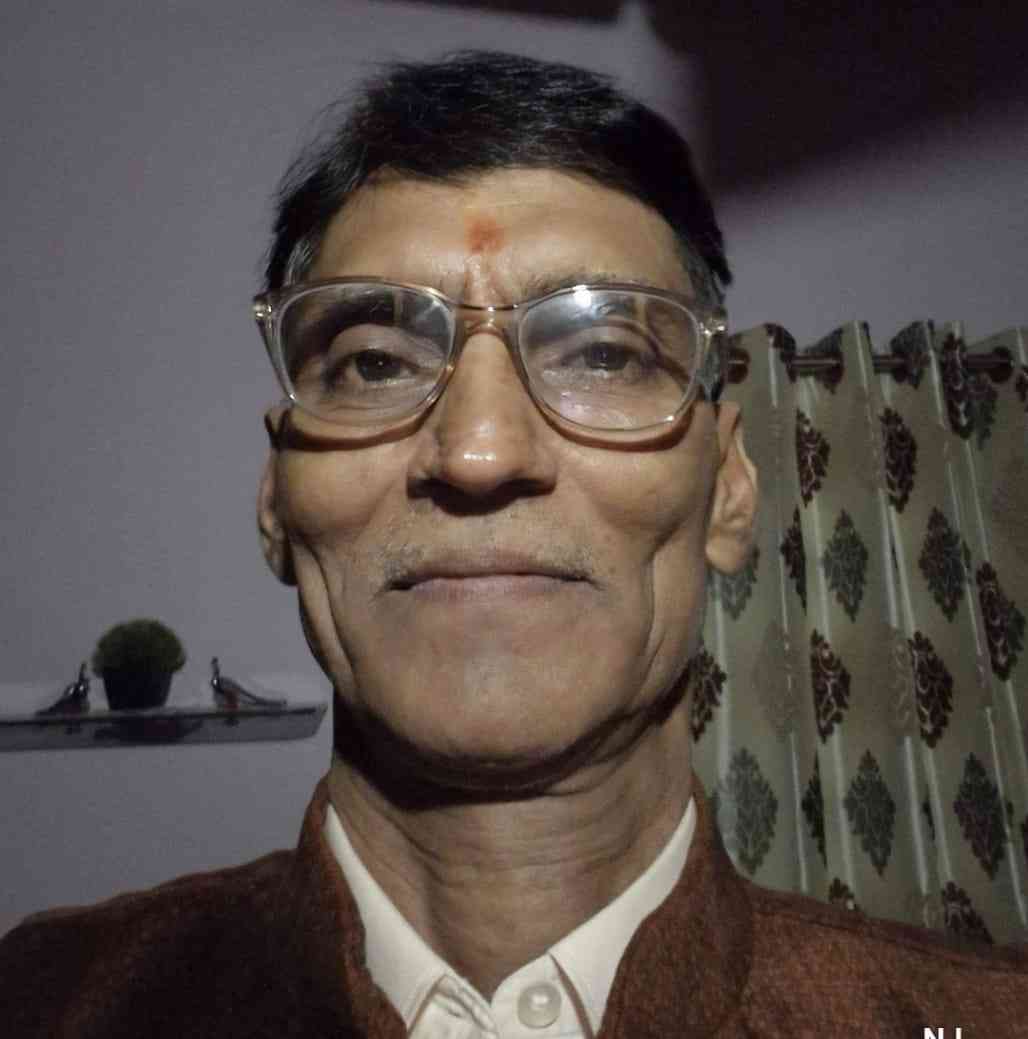
Jhawar has voted regularly in elections over the years. He claims his name is on the 2002 voter list as well. Still, the Election Commission tagged him as an “unmapped voter” and called him for a hearing on January 2.
The reason? Jhawar changed his first name from Noratmal to Navratan in 2006. He did so, he claims, because Bengalis would find it difficult to pronounce his original name. He said he followed the legal process for changing his name at that time.
But at the hearing, the commission asked him to show a government gazette notification and two newspaper cuttings to prove that he had publicised the change in his name. Alternatively, Jhawar could also re-register himself as a new voter. However, he is vehemently opposed to the idea.
“This is not merely about my vote,” he explained. “Today my voter ID is being declared invalid, tomorrow it could be my Aadhaar. It is possible that the registry office will freeze my properties next. These things cannot be taken lightly.”
Though Jhawar still supports the SIR in principle, he is concerned about how the process is panning out in West Bengal.
“The ruling party [Trinamool Congress] is pressuring state government officials to strike off names of Hindi speakers and Hindu refugees who support the BJP,” he alleged. “The Election Commission is unable to help us.”
‘Refugees are under stress’
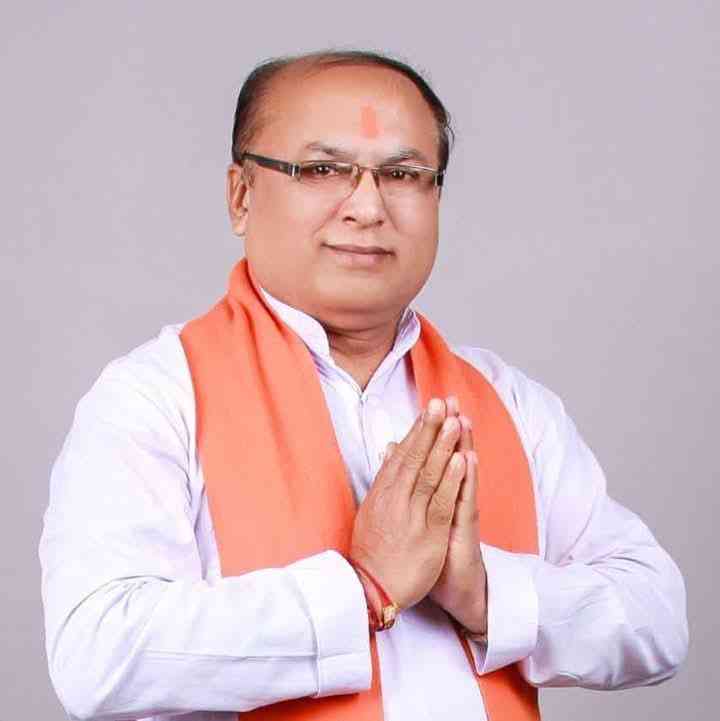
One such refugee is Ashis Kumar Biswas, the BJP MLA from Krishnaganj in the border district of Nadia. Biswas, 59, is a Namasudra, a Scheduled Caste, who came to West Bengal with his parents in order to flee religious persecution in what was then East Pakistan.
He recalled how he worked his way up in life as a landless refugee. He attended a government school and later enlisted in the Indian Air Force as a sergeant. The job took him to 14 states across India, he remembered. After retiring from the air force, he joined the BJP and became an MLA in 2019.
On December 30, Biswas, too, was called in for an SIR hearing. But he sought to downplay the impact of the experience.
“The hearing was only to clarify why my name was not in the 2002 voter list,” he said. “I explained that I was in a transferable government job so I was not available in West Bengal then. I showed them my PPO [Pension Payment Order] and caste certificate. That was the end of it.”
While the BJP MLA did admit that the SIR was causing panic among Hindu refugees, he blamed Trinamool for politicising the issue.
“They [Trinamool] are creating terror in the minds of refugees,” he contended. “The refugees who came after 1971 are under stress. The government of India is making arrangements to help them.”
Notably, Biswas differs with many of his partymen in how he views the SIR. “Finding Bangladeshis is not the Election Commission’s job,” he stated.
‘Grating’ but need to stop ‘illegal migration’
Even so, some Hindu voters such as Tushar Laddha, a Kolkata-based entrepreneur, are putting up with the “grating” SIR process precisely because they view it as a step against illegal migration.
“Many people have come here just to live off the land,” Laddha said. “I see it across the canal from my house. And it causes problems for me daily, whether it is in terms of traffic congestion or littered streets. So most people in my family are happy that at least something is being done about this.”
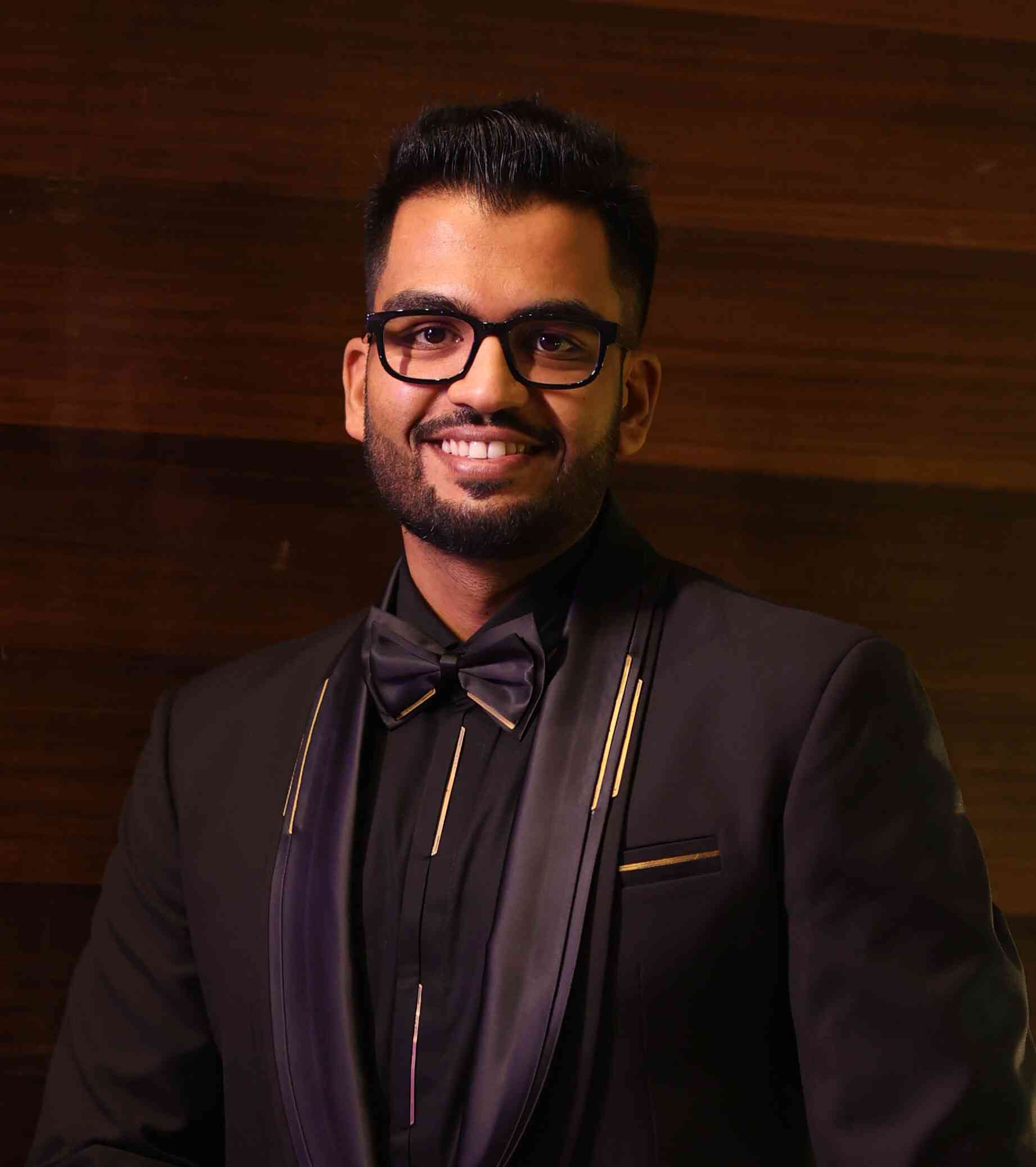
The 30-year-old manufacturer of plastic additives traces his roots to Rajasthan. He estimated that his family had lived in Kolkata for seven or eight decades. When the Election Commission first rolled out the SIR in November, the Laddhas were plunged into confusion.
They dialed up about a dozen old neighbours and distant relatives with whom they had lost touch over the years. At one point, Laddha assigned two of his employees the task of scanning the 2002 voter list for their names.
Eventually, they realised that their names were missing from the old list because they had shifted homes around that time. In the late 1990s, the family left their small apartment in the modest north Kolkata neighbourhood of Phoolbagan and moved into a bungalow in the posh suburb of Salt Lake.
On January 8, Laddha and five of his relatives attended an SIR hearing in Kolkata. He described the experience as “smooth”.
‘Profound insecurity’ of hauling up a 72-year-old poet
For many others, the hearings have been anything but smooth. Sahitya Akademi Award-winning Bengali poet Joy Goswami, 72, was summoned on January 2 because his name was not in the 2002 voter list.
He could not appear for the hearing as he underwent multiple surgeries only in November, his daughter Debotri Goswami, who also goes by the name of Bukun Chorai, told Scroll. His doctors have mandated bed rest for him, she added.
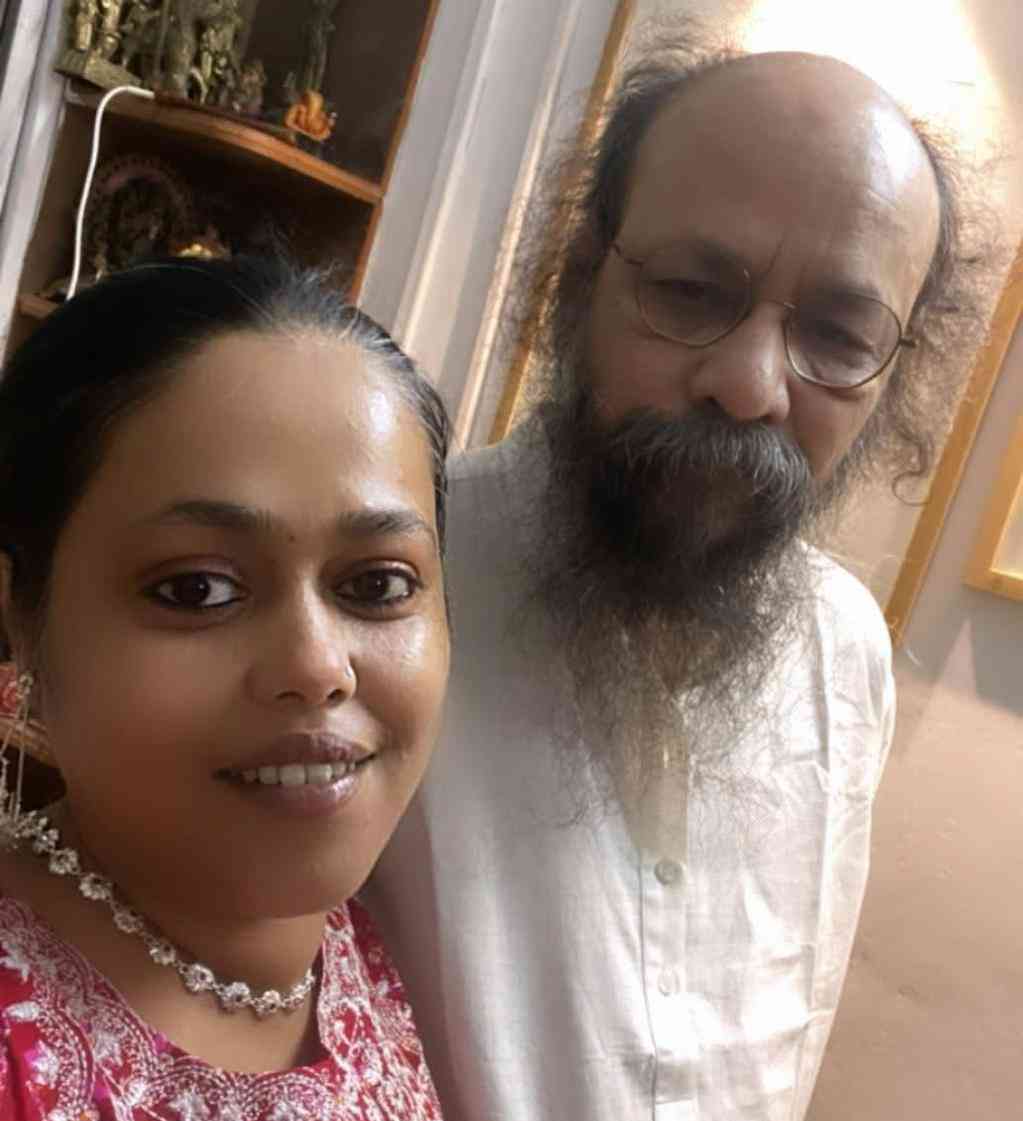
Ever since the Election Commission began with physical hearings for so-called unmapped voters last month, the question of whether elderly people should be spared has repeatedly made the news. In the face of public outrage, the commission decided to allow officials to visit elderly voters’ homes and verify their details. However, the relief was extended only to voters aged 85 or above.
The septuagenarian Joy Goswami could not avail this option. In an interview Bukun gave to The Times of India, she said that she was withholding news of the hearing from her ailing father because she feared it would “hurt” him.
She, too, has been asked to attend a hearing, given that the names of both her parents are not in the 2002 voter list. That her father was a well-known public figure did not stop the Election Commission from summoning him and his daughter. Both are facing scrutiny from the commission only because her father chose not to be a voter in the past.
“Such scrutiny does not strengthen democracy. It exposes a profound insecurity within it,” Bukun said. “The central issue is not why my father made a particular choice, but why the state assumed the right to demand an explanation in the manner that it did.”
‘I feel helpless’
A banker by profession, Girish Dubey came to Kolkata from Sultanpur, Uttar Pradesh, when he was four. He received all his education in the city and takes great pride in his knowledge of Bengal’s geography and culture.
While his work has taken him to various parts of eastern India, Kolkata is the only home he has ever known. The 56-year-old claims to have voted in as many as seven state and national elections before 2002 and many more after that.
This is why he was shocked to discover that his name was missing from the 2002 voter list uploaded online by the Election Commission. He could not tell why with certainty, but he suspects politics had something to do with it.
“In those days, we Hindi speakers were considered Congress voters so the communists wanted to strike off our names,” Dubey said. “Now we are believed to be BJP voters. I feel helpless when people develop such preconceived ideas without understanding how I think or what my ideology is.”
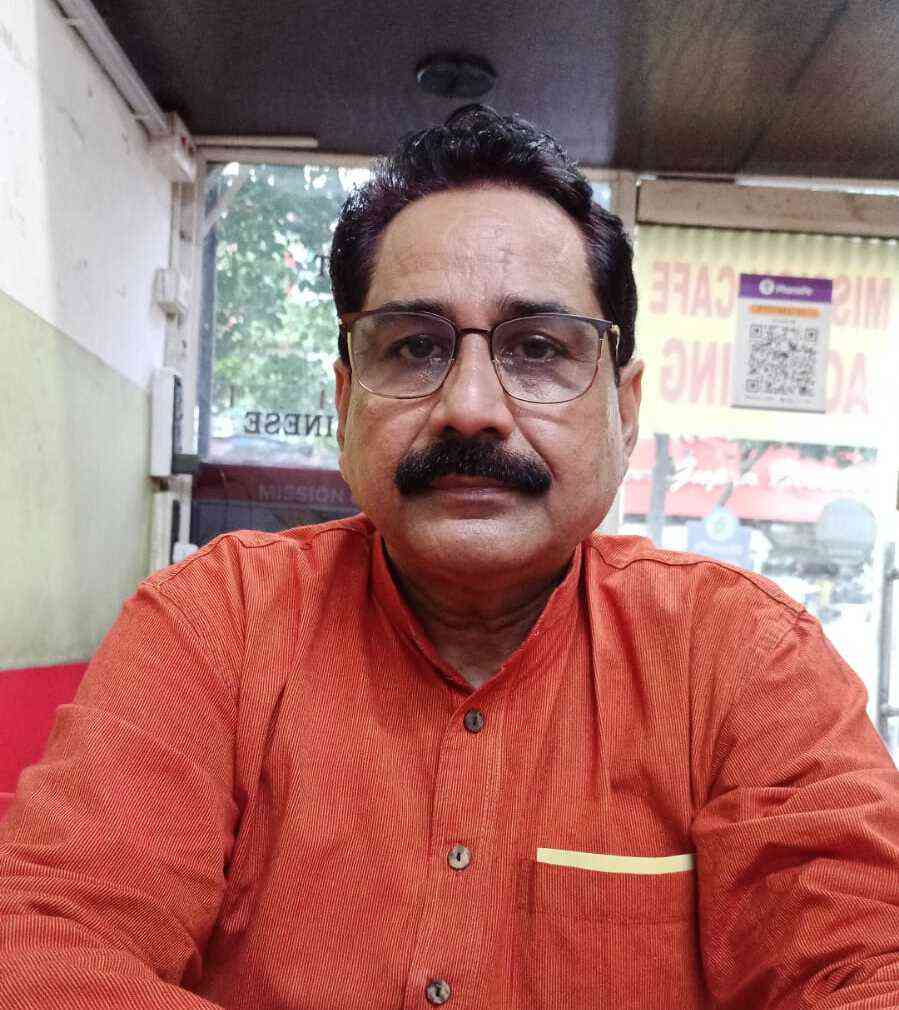
Dubey’s hearing is scheduled for January 19. He will go for it with all his documents, especially his old voter card that was rendered invalid after 2002. He worries the day will be “painful” for him. Yet, he is determined to have his name included in the final voter list.
